About me
I am an evolutionary and computational biologist interested in how genetic and epigenetic variation shapes adaptation, immune function and biological diversity. What fascinates me most is how organisms respond to very different evolutionary and environmental challenges, from changing salinity and parasite exposure to migration, ageing and infectious disease.
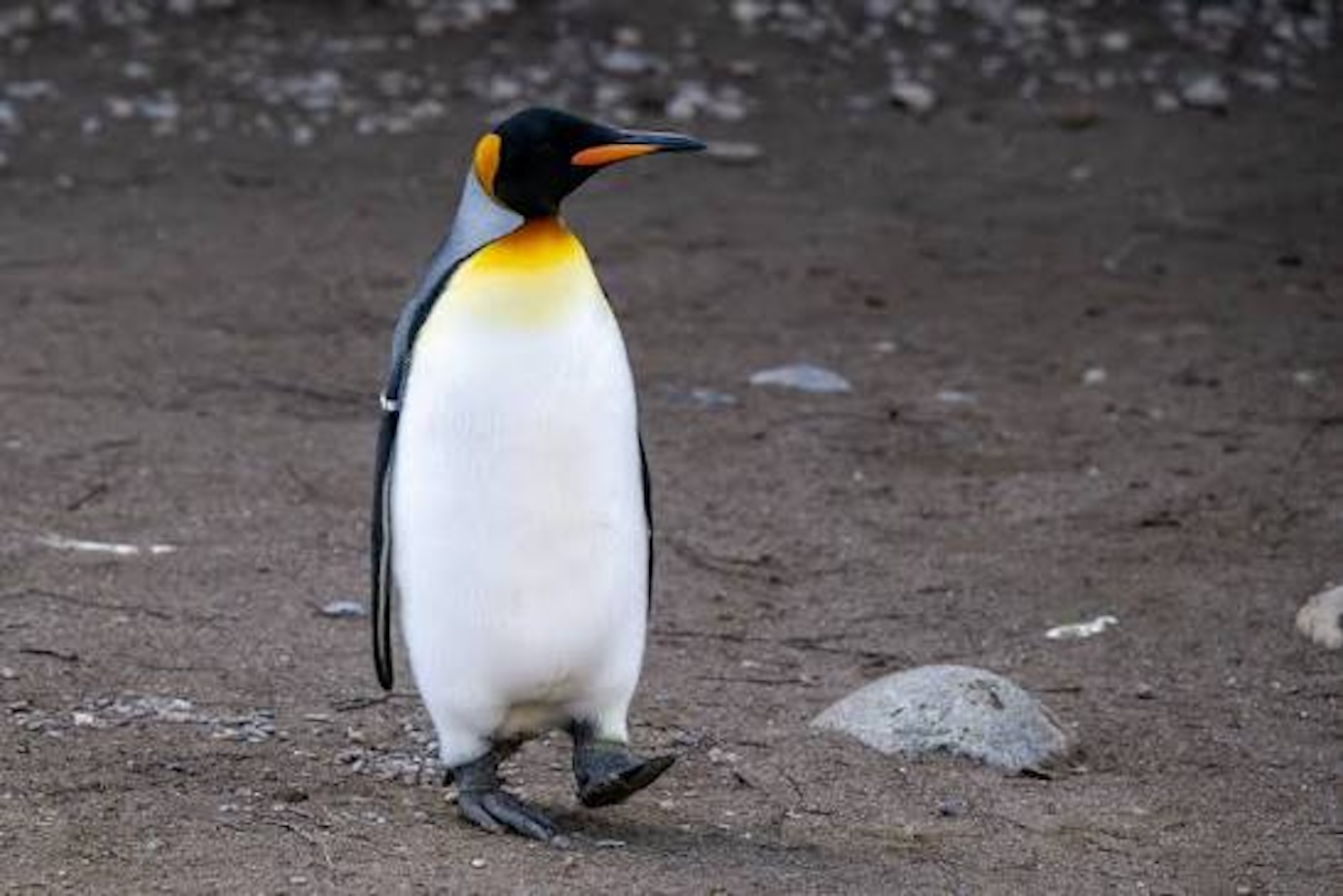
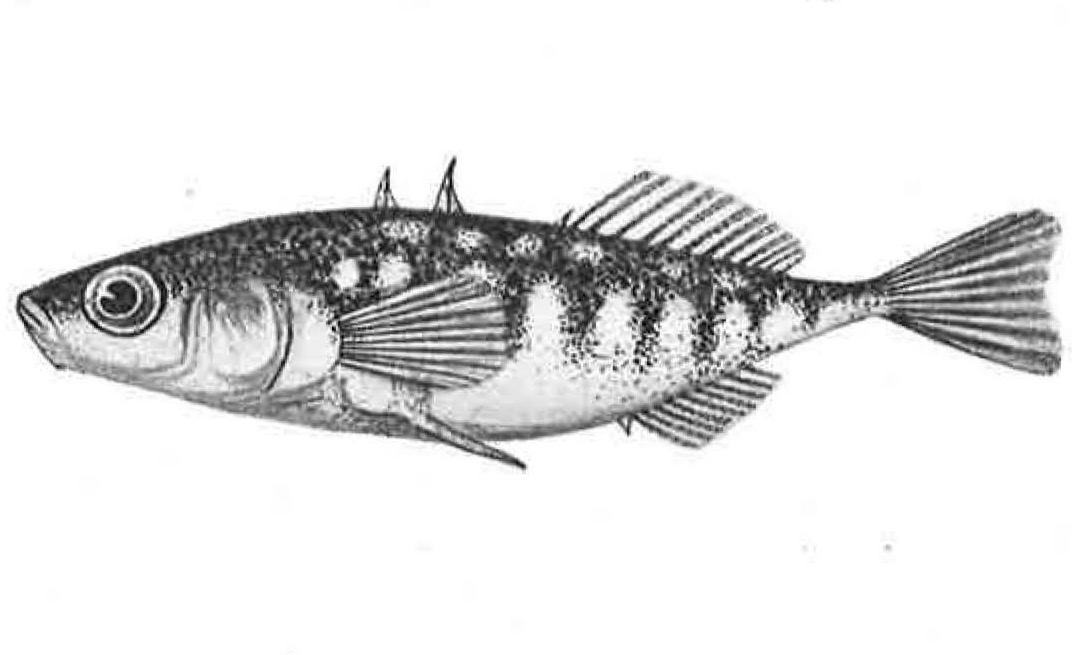
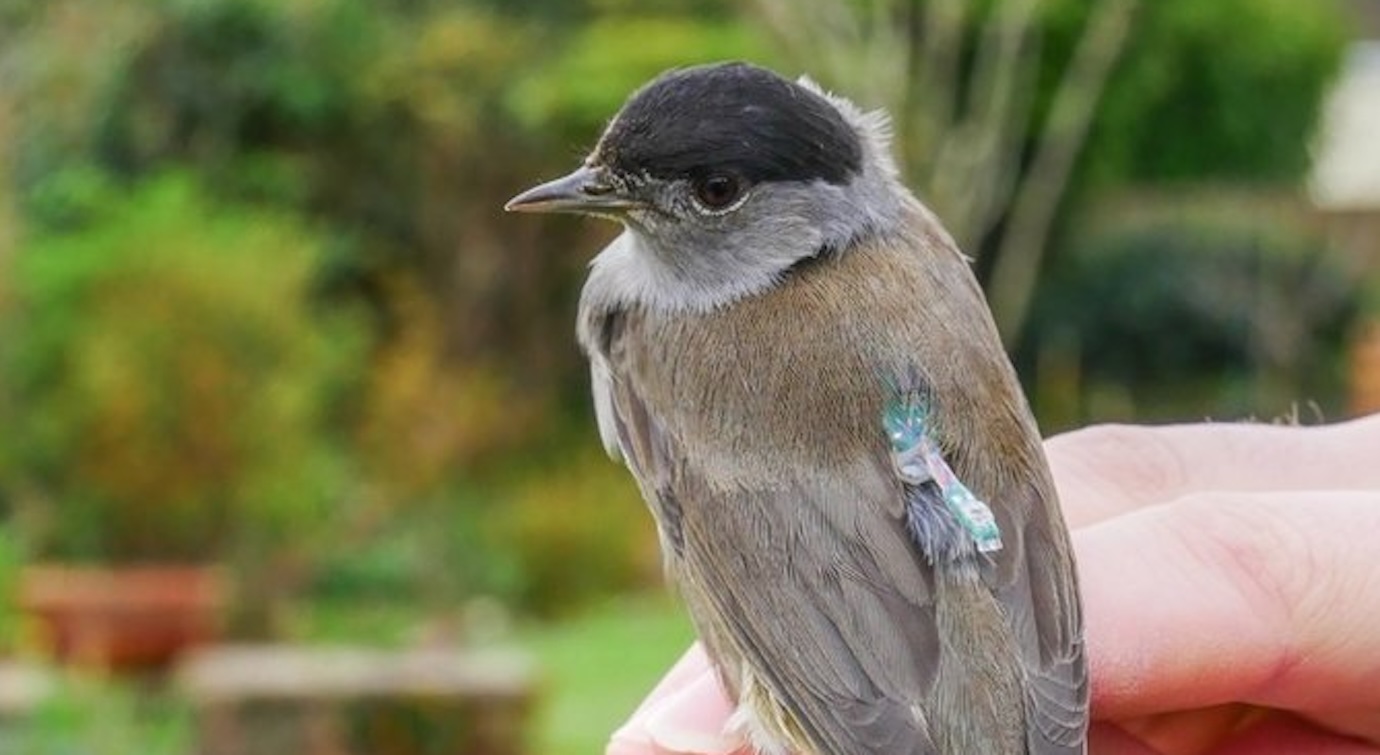
My research has taken me across a wide range of biological systems, including East African cichlids, three-spined sticklebacks, migratory blackcaps, common terns, King penguins and humans. Despite their diversity, these projects are connected by a common question: how does variation at the molecular level translate into differences between individuals, populations and species?
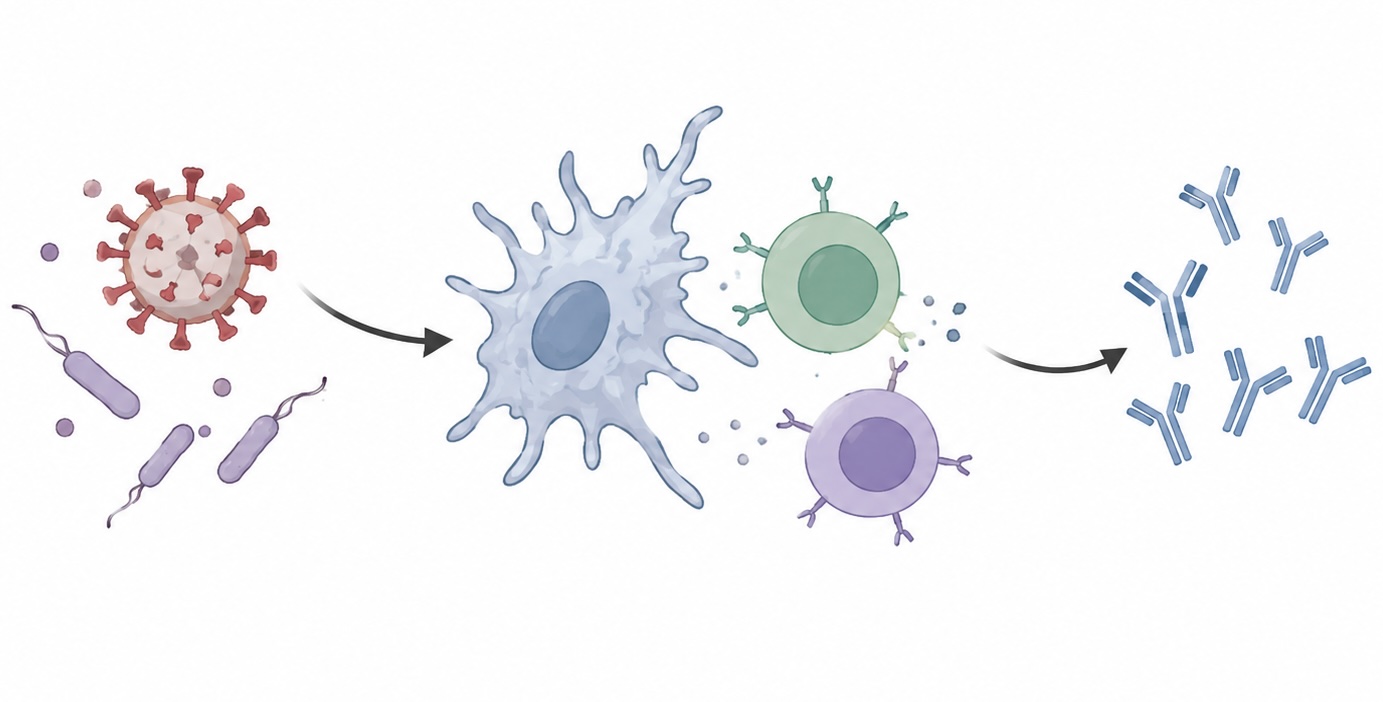
A major focus of my current work is evolutionary immunogenomics, particularly the evolution and diversity of the major histocompatibility complex (MHC), known as HLA in humans. I combine genomic and immunopeptidomic data to investigate variation in antigen presentation and immune diversity. This work also extends to questions about HLA variation during pregnancy, host-pathogen interactions and immune-mediated disease.
Another central part of my research explores epigenetic variation in natural populations. I am particularly interested in the role of epigenetic mechanisms in environmental adaptation and biological ageing, including work on sticklebacks, long-lived common terns and King penguins. Across these projects, I use approaches from population genomics, molecular evolution, phylogenetics, epigenomics and computational biology.
I enjoy working at the interface between evolutionary biology, genomics and biomedical research, and much of my work is highly collaborative. Below you can find selected stages of my academic career and the research questions that have shaped it. For a full CV, please feel free to contact me by email.
Selected Career Milestones
-

2007-2008
Diploma thesis
Zoology, University of Hamburg
and the Leibniz-Institute for Zoo and Wildlife Research (IZW), Berlin, GermanyGenetic variability (MHC and mitochondrial D-Loop) and parasite burden of a neotropical rodent (Euryoryzomys russatus Wagner, 1848) in two fragments of the Atlantic Forest, Brazil
-
2008
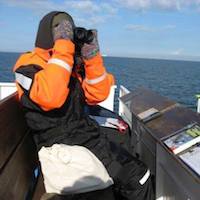
Research Assistant
FTZ, Research and Technology Centre, University of Kiel, Büsum, Germany
Working on research vessels - "Seabirds at Sea" on Baltic and North Sea
-
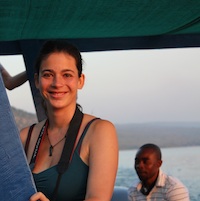
2009-2014
Doctoral thesis
Salzburger Lab, Evolutionary Biology,
University of Basel, Switzerland:
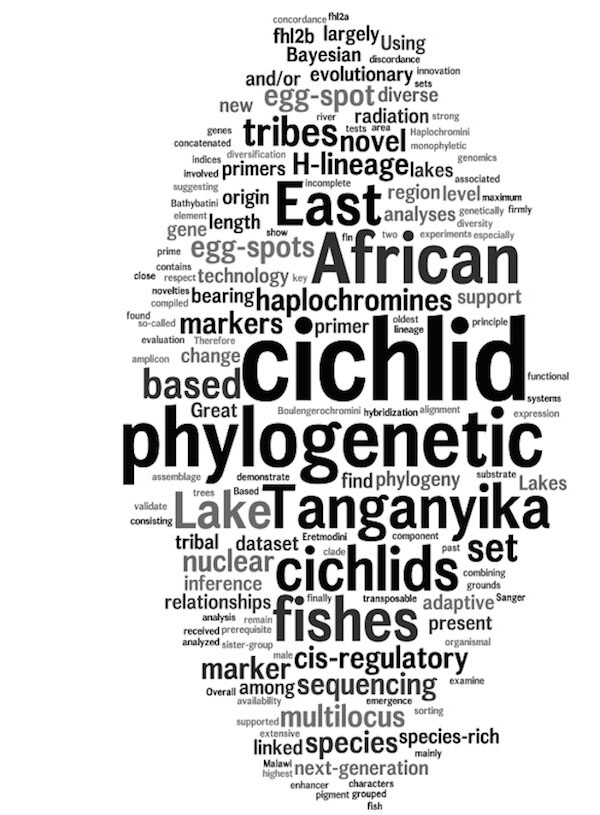
A multi-marker perspective on the evolutionary history of East African cichlid fishes
-
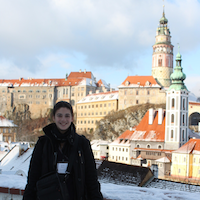
2010, 2015 - 2022
Instructor and/or Co-Organizer
Evomics, Molecular Evolution (2010/2015) and/or Population and Speciation Genomics Workshop (2018-2022), Cesky Krumlov, Czech Republic
-
2010
Co-Director
Organization of Cichlid Science Meeting
-
2014-2018
Postdoctoral Researcher
GEOMAR Helmholtz Centre for Ocean Research Kiel, Germany
(Epi)genomics in Baltic sea populations of the three-spine sticklebacks (BAMBI-Project)
-
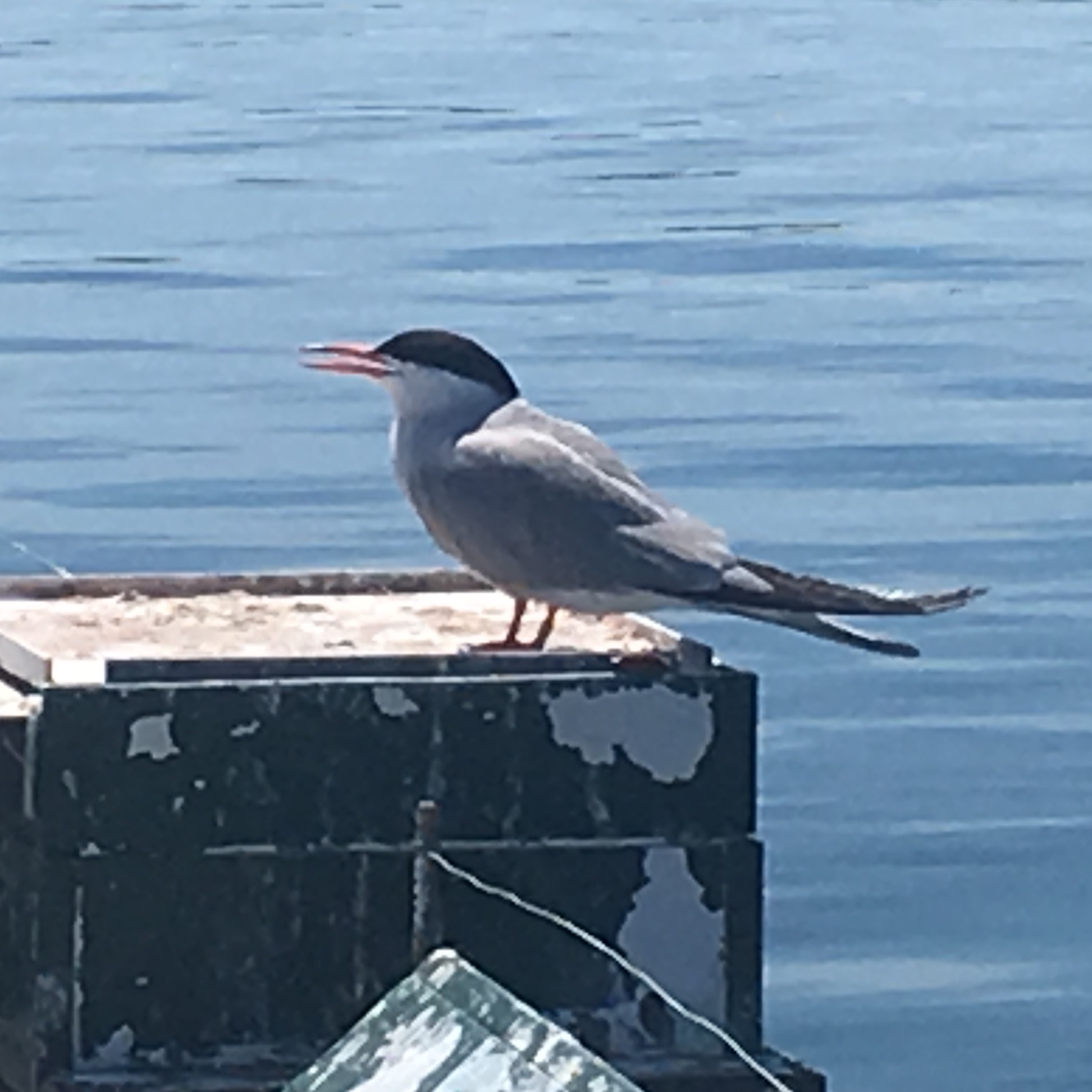
2018-2022
Postdoctoral Researcher
Tern Epigenetics and Blackcap Island Genomics Max-Planck Institute Behavioral Genomics, Plön, Germany and Guest Scientist at Institute of Avian Research
-
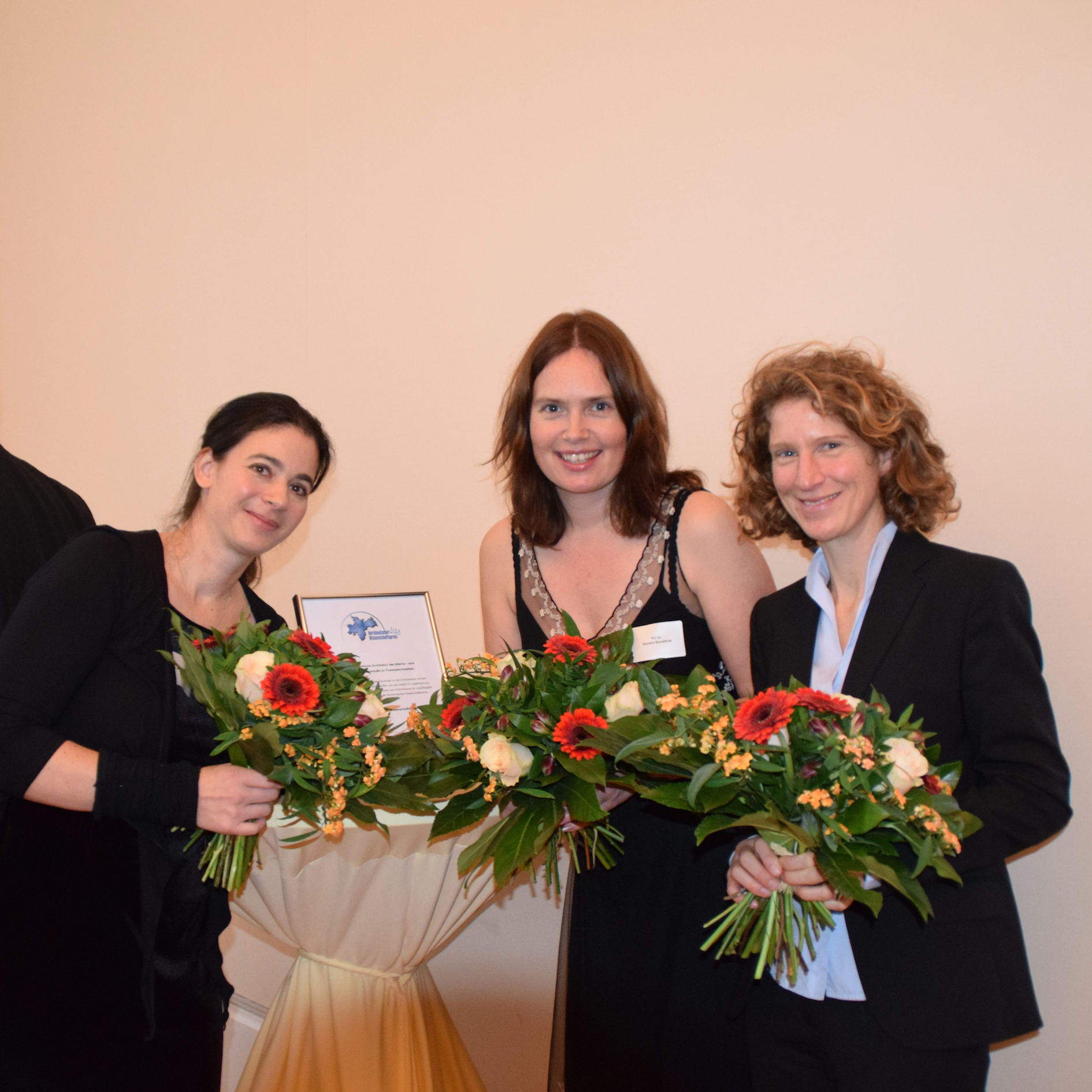
2018
Award for the project "Epigenetics of Ageing"
-
2019
Organizer
Workshop “Causes and Consequences of Inclusive Inheritance" Max-Planck Institute Behavioral Genomics, Plön, Germany
-
2022-present
Computational Biologist
-
To be
Continued!
_01.jpg)